

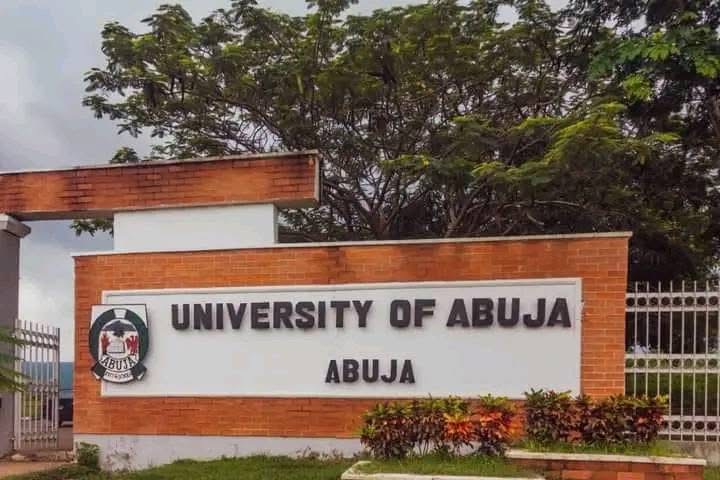
A major academic milestone is approaching at University of Abuja, now known as Yakubu Gowon University, as the institution prepares to graduate 12,624 students in a combined convocation ceremony. However, beyond the celebratory mood, emerging concerns about infrastructure, capacity, and long-term planning are drawing closer scrutiny.
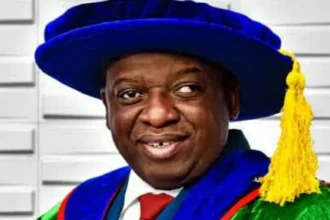
The announcement, made by Vice-Chancellor Hakeem Babatunde Fawehinmi, highlights not only the scale of the graduation but also the growing pressure on the university’s facilities. With nearly 40,000 students currently enrolled and projections pointing towards 50,000 by 2030, questions are being raised about whether existing infrastructure can sustain such rapid expansion.
Data released by the university shows that 7,158 students are graduating from the 2022/2023 academic session, while 5,466 students belong to the 2023/2024 set. While these figures reflect increased access to higher education, they also point to a widening gap between student population and available resources.
Insiders within Nigeria’s academic sector note that large graduation numbers are often accompanied by hidden pressures, including overstretched lecture halls, limited hostel accommodation, and growing strain on research facilities. Although the university has outlined several projects such as new administrative buildings, improved laboratories, and plans for 1,500 additional bed spaces through partnerships, the pace of expansion appears to lag behind student growth.
Further compounding the situation are funding limitations and land encroachment issues, both of which the university leadership has openly acknowledged. Encroachment, in particular, threatens planned academic zones and agricultural research areas, raising concerns about the institution’s long-term development blueprint.
Despite these challenges, the university has continued to record achievements in research funding, including a multi-billion-naira intervention for its College of Health Sciences, alongside increased global academic collaborations. However, analysts suggest that without urgent infrastructure upgrades, such gains may be difficult to sustain.
There are also questions around graduate outcomes, as the institution confirmed that only the overall best students from each set will receive automatic employment opportunities. With thousands entering the labour market at once, concerns remain about job absorption and the broader economic impact.
The combined convocation, which runs through April, reflects both progress and pressure within Nigeria’s higher education system. While the rising number of graduates signals expanded access, it also exposes structural gaps that require urgent attention.
From Newspadi’s perspective, this moment represents more than a routine academic ceremony. It highlights a growing national issue where increasing student intake is not always matched by proportional investment in infrastructure and planning. If institutions continue on this trajectory without strategic expansion, the quality of education and graduate preparedness could face long-term risks.
As the university celebrates its graduates, the bigger question remains whether growth is being managed sustainably or simply accelerated without the necessary structural support.