

A closer look at Nigeria’s growing culture of honorary degree awards has brought fresh attention to the latest decision by Nasarawa State University to honour prominent figures including Abdul Samad Rabiu and Samia Suluhu Hassan.
The university has confirmed that both individuals will receive honorary doctorate degrees at its upcoming combined convocation ceremony scheduled for April 11, 2026, an event that also marks its 25th anniversary. Another recipient, Dr Mahmood Ahmad, is also listed among the awardees.
While the institution says the honours are in recognition of “outstanding contributions to humanity and society,” the development has again raised broader questions about how Nigerian universities select recipients for such prestigious recognitions and whether the process consistently reflects academic values.
At a press briefing in Keffi, Vice-Chancellor Professor Sa’adatu Liman explained that the selection followed guidelines set by the National Universities Commission, including a cap of three honorary awardees. She noted that the decision aligns with what she described as the “Keffi declaration,” a framework guiding such recognitions.
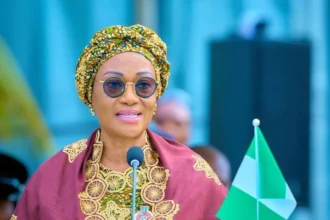
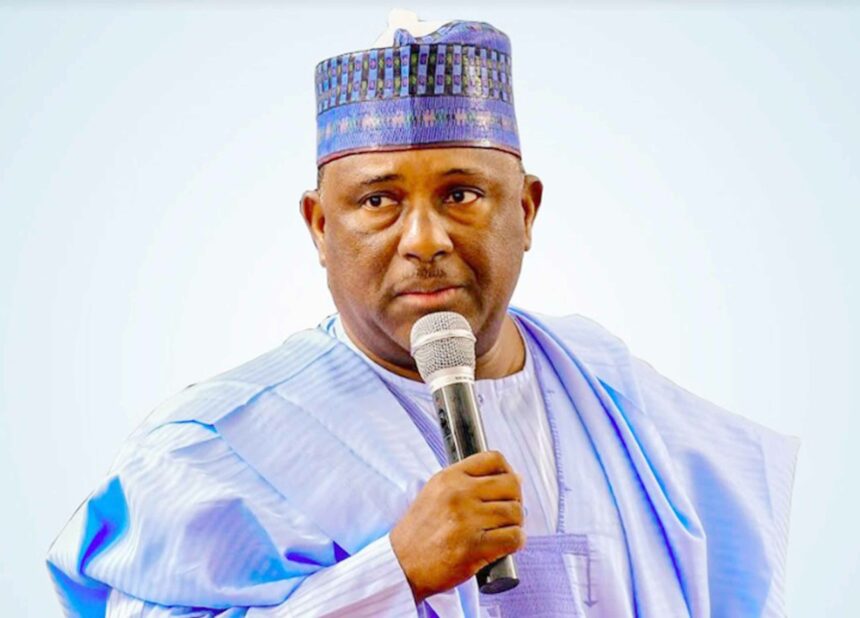
The inclusion of Rabiu, one of Africa’s leading industrialists, is widely seen as a nod to his influence in the manufacturing sector and philanthropic efforts across Nigeria. Similarly, Hassan’s recognition reflects her leadership as Tanzania’s first female president and her role in regional governance.
However, beyond the celebratory tone, education analysts say the increasing frequency of honorary awards across Nigerian universities calls for deeper reflection. In recent years, critics have argued that some institutions may be drifting from the original intent of such honours, which were traditionally reserved for individuals with exceptional academic, scientific, or societal impact.
For many observers, the key issue is not the stature of the recipients but the transparency and consistency of the selection process. Questions often arise around criteria, internal review mechanisms, and whether universities are balancing recognition of public figures with the need to uphold academic integrity.
Data from university convocation records shows that honorary degrees have become a prominent feature of graduation ceremonies, often attracting public attention and political interest. While this can boost institutional visibility, some academics warn that overuse or perceived politicisation could dilute the value of the awards over time.
At the same event, the university disclosed that more than 25,000 students from three academic sessions will graduate, with 82 achieving first-class honours. The scale of the ceremony reflects the institution’s growth over the past two decades, as well as the increasing demand for higher education in Nigeria.
Activities lined up for the convocation include community outreach programmes, religious services, a novelty football match, and academic lectures, all designed to celebrate both academic achievement and the university’s silver jubilee milestone.
From a broader perspective, the recognition of high-profile figures such as Rabiu and Hassan underscores the intersection between academia, industry, and governance. Universities often seek to highlight role models whose careers can inspire students and strengthen institutional networks.
Newspadi view sees this moment as both a celebration and a test. While honouring impactful individuals is important, universities must also ensure that such recognitions remain credible, transparent, and rooted in clear academic principles. As more institutions adopt similar practices, maintaining public trust in the value of honorary degrees will be critical.
As the convocation date approaches, attention will not only be on the awardees but also on the message such honours send about the evolving role of universities in shaping society and recognising excellence.