


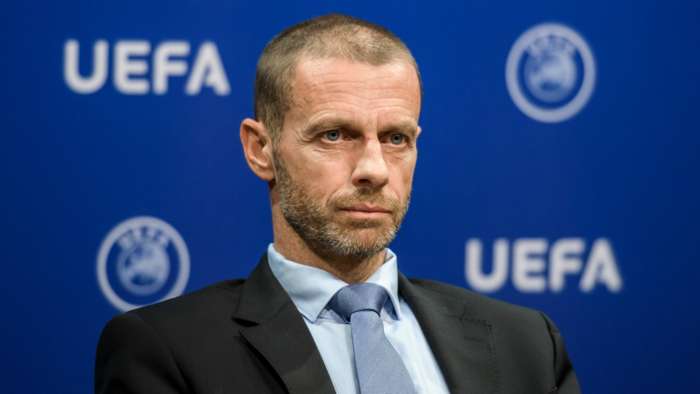
Italy’s position as co-host of the UEFA Euro 2032 is under increasing pressure after UEFA president Aleksander Čeferin warned that failure to upgrade stadium infrastructure could cost the country its hosting rights.
Italy is currently scheduled to stage the tournament alongside Turkey, but growing concerns over outdated facilities have cast doubt on its readiness to deliver a modern international football event.
Italy faces a critical deadline in the coming months, with football authorities required to present a shortlist of five suitable stadiums to UEFA by October. That submission will play a decisive role in determining whether the country can meet the standards expected for a tournament of this scale.
Čeferin has made it clear that while the competition itself will go ahead as planned, Italy’s involvement depends entirely on its ability to act quickly and decisively. Speaking to Italian media, he stressed that preparations must match UEFA’s expectations, warning that failure to do so could see matches moved elsewhere.
The warning has reignited debate over the state of Italy’s football infrastructure, with many stadiums widely regarded as outdated when compared to newer venues across Europe. Analysts and observers have pointed to years of underinvestment, bureaucratic hurdles, and stalled redevelopment projects as key reasons behind the current situation.
Čeferin also shifted part of the responsibility beyond football administrators, suggesting that political leadership must take a closer look at the underlying issues. His remarks reflect a broader concern that structural challenges have slowed progress in modernising sports facilities across the country.
The pressure comes at a delicate moment for Italian football following the resignation of Gabriele Gravina as president of the Italian Football Federation. Leadership changes, combined with recent on-field disappointments, have intensified scrutiny on how the game is managed both administratively and strategically.
There is also the growing possibility that hosting responsibilities could shift more heavily towards Turkey if Italy fails to meet requirements. Turkey’s recent investments in modern stadium infrastructure have positioned it as a strong and ready partner, capable of taking on a larger share of the tournament if necessary.
Across the football world, UEFA’s stance is seen as part of a broader push to maintain high organisational standards for major competitions. Recent tournaments have set new benchmarks in terms of facilities, fan experience, and logistics, making it increasingly difficult for countries with ageing infrastructure to keep pace.
From a wider perspective, this moment represents more than just a sporting challenge for Italy, it highlights the importance of long-term planning and sustained investment in critical infrastructure. Football, in this context, becomes a reflection of broader national priorities and the ability to deliver on the global stage.
For Italy, the path forward is clear but demanding. Swift upgrades and coordinated action could secure its role as co-host and restore confidence in its ability to stage major events. Failure to act, however, could result in a significant setback, both in terms of reputation and opportunity.
As the October deadline draws closer, attention will remain firmly on Italy’s response, with the future of its involvement in Euro 2032 hanging in the balance.