


Italy’s latest football disappointment has sparked outrage, heartbreak and deep reflection across the country after the national team failed to qualify for the FIFA World Cup for the third consecutive time.
In the heart of Rome, frustration filled the air as fans reacted to the shocking exit. At a roadside newsstand, 65-year-old Tommaso Silvestri could barely hide his disappointment while scanning newspaper headlines dominated by words like “disaster” and “collapse.”
He lamented the team’s performance, saying the players failed to deliver when it mattered most, adding that Italy’s once-glorious football era now feels like a distant memory.
The four-time world champions crashed out on Tuesday night in Zenica after losing 4-1 on penalties to Bosnia and Herzegovina. The match had already tilted against them after they went down to 10 men before halftime, a setback that proved costly.
For many fans, the defeat only confirmed a worrying trend. Since lifting the World Cup in 2006, Italy has struggled to maintain consistency on the global stage, apart from their unexpected UEFA Euro 2021 triumph against England at Wembley.
Across the political space, reactions came swiftly. Senate President Ignazio La Russa expressed disappointment, noting that while many hoped for a different outcome, there was always a lingering fear that the team might fall short.
Prominent writer Roberto Saviano pointed to deeper systemic issues, arguing that problems within Italian football go beyond results on the pitch. He criticised poor youth development structures and alleged that clubs rely too heavily on foreign talent instead of nurturing local players.
Among ordinary citizens, the mood remains grim. Giovanni Colli, a 71-year-old resident, described the situation as a betrayal, questioning how a nation with such a rich football history could miss out on the World Cup three times in a row. He called for sweeping changes, including giving younger players more opportunities.
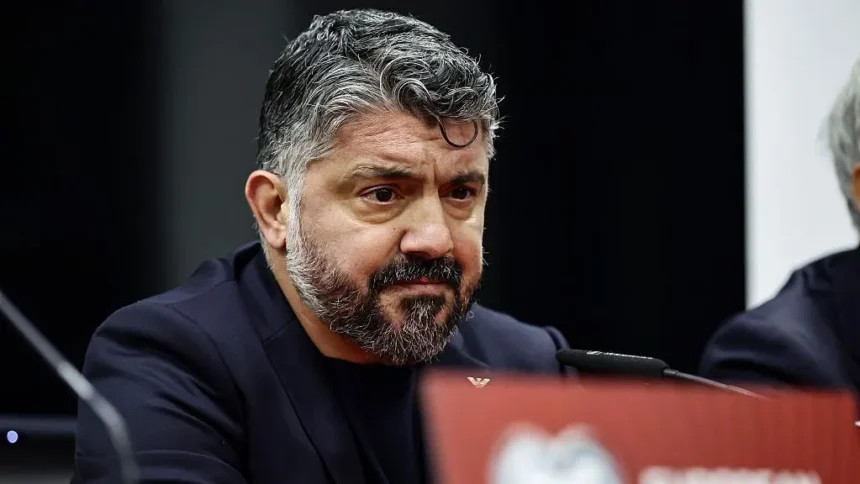
The emotional weight of the defeat showed clearly on head coach Gennaro Gattuso, who struggled to contain his tears after the match. The former World Cup-winning midfielder, appointed only months ago, admitted the result was painful and took responsibility for the team’s failure to convert chances.
Despite the setback, he praised his players for their effort, insisting they gave everything on the pitch. However, he acknowledged a harsh reality—football punishes teams that fail to take their opportunities.
Sports analyst Elisabetta Esposito also weighed in, warning that the repeated failures could weaken younger fans’ connection to the national team. According to her, rebuilding Italian football will require patience, structure, and long-term planning rather than quick fixes.
On the streets of Rome, even those less invested in football felt the impact. A resident identified simply as Teresa reacted with surprise upon hearing the news, describing the situation as a national disappointment.
For a country once regarded as a powerhouse of world football, the latest setback has triggered serious questions about the future. As the dust settles, Italy faces a critical moment—one that could define whether it rebuilds its legacy or continues down a troubling path.