



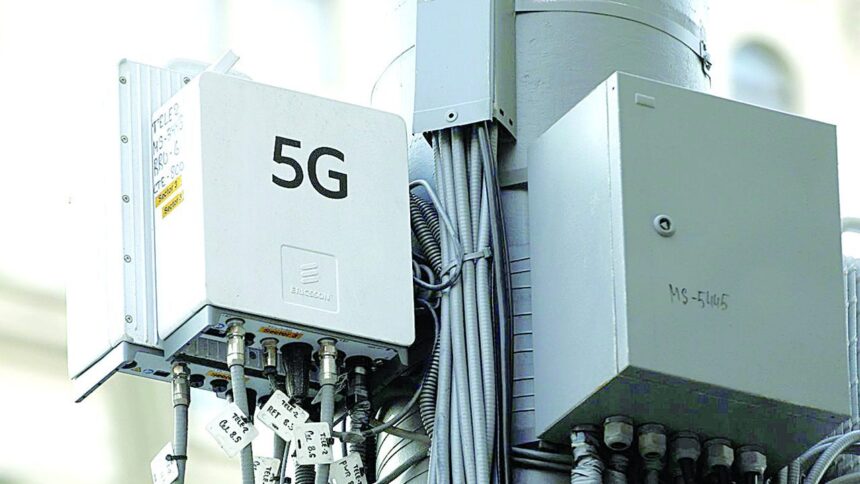
Nigeria has set an ambitious target to scale up internet access to 230 million subscriptions by 2030, as part of a broader push to strengthen its digital economy. The plan, driven by the Nigerian Communications Commission, focuses on expanding 5G infrastructure, accelerating the adoption of the Internet of Things, and deploying satellite-based connectivity to reach more people across the country.
At the heart of this vision lies the Commission’s 2026–2030 spectrum roadmap, built on the framework of the Nigerian Communications Act 2003. The roadmap outlines a transition from basic internet access to a more advanced, high-capacity digital ecosystem that can support a rapidly growing population projected to hit 245 million within the decade.
The strategy places strong emphasis on deepening 5G coverage, particularly in major cities, industrial zones, and regions that currently lack reliable connectivity. The Commission plans to ensure consistent and improved user experience nationwide through its Quality of Experience initiative, which targets better data speeds and network reliability. To support this, authorities will release additional spectrum in key frequency bands, including mid-band ranges like 3.5 GHz and 6 GHz, alongside high-band allocations such as 26 GHz, all designed to unlock faster and more efficient 5G services.
Beyond urban expansion, the Commission is also tackling Nigeria’s long-standing digital divide. Millions of Nigerians still live in areas without stable internet access, and the roadmap directly addresses this gap. By prioritising non-terrestrial networks and satellite-to-mobile technology, the Commission aims to connect 87 underserved clusters, which affect about 23 million people. These solutions will bypass the challenges of laying fibre-optic cables in difficult terrains, ensuring that even remote communities can access digital services.
Data consumption is also expected to rise sharply. The Commission projects that average monthly mobile data usage per user will more than double, from 8.5 gigabytes in 2025 to 17.7 gigabytes by 2030. This growth will come from increased demand for video streaming, artificial intelligence applications, and connected devices powered by the Internet of Things.
To keep pace with these changes, the Commission plans to allocate dedicated spectrum for emerging technologies such as smart cities, industrial automation, and autonomous transport systems. It will also introduce flexible regulatory tools, including general authorisation frameworks and regulatory sandboxes, to allow innovators and startups test new solutions without facing the full weight of licensing requirements from the outset.
The roadmap sets out clear timelines for implementation. Authorities plan to auction the 3.5GHz spectrum and license the upper 6GHz band by 2027. By 2028, they expect to complete licensing for the 26GHz band and conduct an independent audit of spectrum usage. Alongside this, the country will push ahead with an aggressive fibre-optic expansion, targeting 90,000 kilometres of cable deployment nationwide by 2030.
Officials say the roadmap goes beyond managing telecommunications infrastructure. It links spectrum development directly to economic growth, aiming to attract private investment, drive innovation, and position Nigeria as a leading digital hub on the African continent.